GRANTS & GRANTMAKING

From discovery
to lasting impact

Supporting research, knowledge sharing, and person-centered care.

Our Giving at a Glance

Investing across the full continuum, from laboratory discovery to community care.

$6.08MTotal funds distributed, 2015–2026
3Strategic pillars
Since 2015Supporting scientific progress

Our Funding Priorities

Clinical Research and Science

Knowledge Sharing, Data and Technology

Community-Based Programs and Person-Centered Care

Annual giving breakdown
Funds distributed by year and strategic pillar (USD)
YearClinical Research and ScienceKnowledge Sharing, Data and TechnologyCommunity-Based Programs and Person-Centered CareTotal Funds Distributed
2015$261,000.00——$261,000.00
2016$400,000.00——$400,000.00
2017$400,000.00——$400,000.00
2018$400,000.00——$400,000.00
2020$470,000.00—$30,000.00$500,000.00
2021$776,612.00$14,000.00$21,000.00$811,612.00
2022$545,945.00$5,000.00$25,000.00$575,945.00
2023$499,339.00$25,000.00$85,400.00$609,739.00
2024$499,603.00$25,000.00$162,384.00$686,987.00
2025$922,711.06$5,000.00$252,952.00$1,180,663.06
2026——$252,951.00$252,951.00
TOTAL (2015–2026)$6,078,897.06

Evolution of Giving

2015

Foundation Established

The Mueller Health Foundation was founded with a primary focus on advancing innovative clinical research to accelerate the development of new treatments for tuberculosis and other infectious diseases.

2016–2018

Building the Scientific Foundation

  • Continued investment in high-impact basic and translational research.
  • Established collaborations with leading academic institutions and researchers.
2020

Expanding Globally

  • Expanded from primarily U.S.-based research funding to domestic and international grantmaking, supporting partners across multiple countries.
  • Introduced investments in community education and awareness alongside scientific research.
  • Launched partnerships spanning research, technology, and public health implementation.
2021–2022

Growing a Three-Pillar Strategy

The Foundation formally expanded its grantmaking across three strategic pillars:

  • Clinical Research and Science
  • Knowledge Sharing, Data and Technology
  • Community-Based Programs and Person-Centered Care

This broadened approach recognized that ending infectious diseases requires scientific innovation alongside stronger health systems, education, and implementation.

2023

Investing Beyond the Laboratory

  • Increased investments in community-led programs and education.
  • Expanded support for implementation science, patient engagement, and global partnerships.
  • Continued robust funding for cutting-edge tuberculosis research.
2024

Advancing Person-Centered Care

  • Significant expansion of community-based grantmaking.
  • Investments included drug-resistant TB community care, TB education, migrant health, and integrated TB-diabetes programs.
  • Reinforced the Mueller Health Foundation's commitment to placing people and communities at the center of every initiative.
2025–Onward

From Discovery to Impact

Today, the Mueller Health Foundation supports the full continuum of innovation from basic science and translational research to community implementation and health system strengthening.

Our investments now span:

  • ● Scientific discovery and drug development
  • ● Knowledge sharing, data and technology
  • ● Community-based programs and education
  • ● Domestic and international partnerships
  • ● People-centered models of care

Today, the Mueller Health Foundation invests across the full continuum of innovation, from laboratory discovery to community implementation, supporting domestic and international partners who are advancing bold, evidence-based, and people-centered solutions for infectious diseases. While our portfolio has grown considerably over the past decade, our mission remains unchanged: to improve the lives of people affected by infectious diseases through innovation, collaboration, and a steadfast commitment to ensuring that every life matters.

Our Grants and Learnings

Since its founding, the Mueller Health Foundation has supported research, technology, and collaborative initiatives aimed at improving how tuberculosis is understood, treated, and prevented. Our projects help shape our current approach by highlighting what works, what does not, and what truly matters for people and communities affected by TB. While tuberculosis remains our primary focus, many of the scientific innovations, technologies, and person-centered approaches supported by the Mueller Health Foundation have broader implications for antimicrobial resistance, health system strengthening, and the prevention and treatment of infectious diseases worldwide.

Boston Children’s Hospital
Completed

Drug-Resistant Tuberculosis Research Initiative

United States and China • 2015–2019

Exploring new scientific approaches to overcome resistance to existing TB medications.

Explore project and learnings

Partner: Computational Health Informatics Program at Boston Children’s Hospital | Gil Alterovitz, PhD

Location: United States and China

Grant Duration: 2015–2019

What the project focused on
Drug-resistant tuberculosis is one of the most serious global health threats, with strains that no longer respond to standard treatments. Through this initiative, the Mueller Health Foundation supported an international research collaboration led by Gil Alterovitz and his laboratory within the Computational Health Informatics Program at Boston Children’s Hospital.

Uniting top scientists across multiple continents, the project explored new scientific approaches for identifying potential drug candidates that could overcome resistance to existing TB medications. The work combined computational modeling with laboratory research to better understand how TB bacteria develop resistance and how new compounds might disrupt those mechanisms.

What we learned

  • Drug-resistant TB requires innovative scientific approaches beyond existing treatment pathways
  • Data-driven and computational methods can accelerate early-stage drug discovery and have potential applications across a wide range of bacterial and other infectious diseases.
  • Global scientific collaboration is essential when addressing evolving infectious diseases

Status: Completed

Pillar: Science and Research

Precision Vaccines Program
Completed

TB Vaccine Development

United States • 2020–2021

Strengthening TB vaccination by improving existing vaccines and exploring next-generation approaches.

Explore project and learnings

Partner: Precision Vaccines Program at Boston Children’s Hospital

Location: United States

Grant Duration: 2020–2021

What the project focused on
Tuberculosis remains one of the world’s deadliest infectious diseases, yet the primary TB vaccine has remained largely unchanged for decades. Through a partnership with the Precision Vaccines Program at Boston Children’s Hospital, the Mueller Health Foundation supported research aimed at strengthening TB vaccination, both by improving existing vaccines and exploring next-generation approaches.

The collaboration brought together experts in immunology, vaccinology, and infectious diseases to better understand how TB vaccines work, how protection can be enhanced, and how vaccine research can better serve vulnerable populations.

What we learned

  • Improving TB prevention requires both optimizing existing vaccines and investing in future innovation
  • Early-stage vaccine research plays a critical role in informing safer and more effective clinical trials
  • Public education and clear communication are essential components of vaccine-related work

Status: Completed

Pillar: Science and Research
Included education and public awareness components

Cornell University & Rutgers University
Completed

A Rational Pipeline for the Development of Novel Anti-Tuberculosis Drug Regimens

United States and Malawi • 2021–2026

Investigating host-directed therapies and new platforms for evaluating anti-TB drug combinations.

Explore project and learnings

Primary Partner: Cornell University | David G. Russell, PhD

Secondary Partner: Rutgers University | David Alland, PhD

Location: United States and Malawi

Grant Duration: 2021–2026

What the project focused on

Tuberculosis treatment has changed little over the past several decades, with lengthy treatment regimens and the emergence of drug resistance continuing to threaten global TB control. While much research has focused on developing new antibiotics, this collaboration explored an innovative complementary strategy: host-directed therapy (HDT) used for enhancing the body's own immune response to improve the effectiveness of existing TB drugs.

Through a multi-year partnership with Dr. David Russell and his team at Cornell University, the Mueller Health Foundation supported the development of novel laboratory platforms to evaluate how host biology influences tuberculosis drug activity and to identify compounds capable of strengthening the body's ability to fight infection. The research combined advanced macrophage infection models, high-throughput screening, transcriptional profiling, metabolic analyses, animal studies, and drug combination testing to identify promising host-directed therapeutic candidates that could shorten treatment and improve outcomes.

A major achievement of the collaboration was the development of a first-of-its-kind intracellular drug combination screening platform capable of evaluating anti-TB drugs within the host environment, allowing researchers to better predict which drug combinations are most likely to be effective in patients. Using this platform, the team screened hundreds of host-active compounds and identified several promising candidates, including PRC2 inhibitors, Apabetalone, Nuak Kinase 1 inhibitors, and Tilorone for further investigation as adjuncts to standard tuberculosis therapy.

What we learned

  • Host-directed therapies can significantly enhance the activity of existing TB drugs, opening new opportunities to improve treatment without relying solely on the discovery of new antibiotics.
  • The host immune environment plays a critical role in determining drug efficacy. By incorporating infected macrophages into drug screening assays, researchers developed a more biologically relevant platform that better predicts how therapies perform in vivo.
  • Novel screening technologies can accelerate TB drug discovery. The team developed a high-throughput intracellular assay capable of evaluating hundreds of compounds and identifying combinations with synergistic activity against Mycobacterium tuberculosis.
  • PRC2 inhibitors emerged as particularly promising candidates, demonstrating consistent reductions in intracellular bacterial burden, enhanced macrophage antimicrobial activity, and improved efficacy when combined with standard TB drugs in animal models.
  • Several additional host-directed compounds, including Apabetalone and Nuak Kinase 1 inhibitors, showed encouraging activity, further supporting the concept that modulating host biology can improve treatment outcomes and expand future therapeutic options.
  • The collaboration produced valuable scientific resources beyond individual drug candidates, including new experimental platforms, multiple peer-reviewed publications, and foundational evidence supporting host-directed therapy as a viable strategy for tuberculosis treatment.

Project Impact

This collaboration helped establish a new framework for evaluating tuberculosis drug combinations by integrating host biology into the drug discovery process. In addition to advancing several promising therapeutic candidates, the project produced innovative laboratory models that are now available to support future research aimed at developing shorter, more effective, and more resilient TB treatment regimens. The work also resulted in numerous high-impact scientific publications and strengthened the evidence base for host-directed therapies as an emerging frontier in tuberculosis research. Beyond tuberculosis, this work also demonstrates how host-directed therapies may help reduce reliance on antibiotics, offering a promising strategy for slowing the emergence of antimicrobial resistance. These principles could ultimately benefit the treatment of numerous infectious diseases where drug resistance is an increasing concern.

Status: Completed

Pillar: Science and Research

InveniAI
Completed

TBMeld®: AI-Driven Tuberculosis Research Platform

United States and India • 2019–2022

Using artificial intelligence and predictive modeling to accelerate tuberculosis research.

Explore project and learnings

Partner: InveniAI

Location: United States and India

Project Duration: 2019–2022

What the project focused on

Through a partnership with InveniAI, the Mueller Health Foundation supported the development of TBMeld®, an artificial intelligence–driven platform designed to accelerate tuberculosis research.

The project explored how machine learning and predictive modeling could be used to analyze large volumes of scientific data to identify promising TB drug candidates, drug combinations, and vaccine strategies, supporting efforts toward more effective and potentially shorter treatment options.

What we learned

  • Artificial intelligence can help researchers navigate complex TB data more efficiently
  • Predictive modeling shows promise in guiding early-stage treatment and vaccine research
  • Technology-driven health innovation is most effective when paired with collaboration and data sharing

Status: Completed

Pillar: Knowledge Sharing, Data and Technology

Mueller Health Foundation
Ongoing

TBConnect – Advancing Global Tuberculosis Education and Knowledge Sharing

Global • 2022–Present

Expanding access to trusted, evidence-based tuberculosis education through a freely accessible digital platform.

Explore project and learnings

Lead Organization: The Mueller Health Foundation

Collaborating Partners: Global tuberculosis experts and partner organizations

Location: Global (Digital Resource Platform)

Launch: 2022–Present

What the project is focused on

Access to reliable, evidence-based tuberculosis information remains uneven across the world. Patients, healthcare providers, students, researchers, policymakers, and advocates often rely on information scattered across numerous organizations, making it difficult to locate trusted resources in one place. To address this gap, the Mueller Health Foundation developed TBConnect, a free online educational platform powered by blockchain technology and designed to improve access to high-quality tuberculosis information and strengthen knowledge sharing across the global TB community.

Today, TBConnect houses more than 200 carefully curated educational resources, creating one of the most comprehensive freely accessible tuberculosis education libraries available online. The platform brings together evidence-based materials covering the full spectrum of tuberculosis from prevention, diagnosis, treatment, drug-resistant TB, latent TB infection, and TB-diabetes to stigma reduction, policy guidance, patient education, and emerging scientific research. By making these materials freely available, TBConnect supports healthcare professionals, researchers, educators, students, advocates, patients, and caregivers in accessing the latest evidence and best practices for TB prevention, care, and control.

What we learned so far

  • Centralizing trusted information improves accessibility. Bringing evidence-based resources together in one location makes it easier for healthcare professionals, educators, patients, and advocates to quickly find reliable TB information.
  • Education is fundamental to ending tuberculosis. Improving knowledge supports earlier diagnosis, better treatment adherence, reduced stigma, and stronger public health responses.
  • Collaboration strengthens educational impact. TBConnect demonstrates the value of partnerships by bringing together resources developed by leading global health organizations, academic institutions, public health agencies, and community partners.
  • Tuberculosis education must be multidisciplinary. Effective TB control requires resources that address not only clinical care, but also public health, social determinants of health, policy, advocacy, research, and person-centered care.
  • Digital platforms can expand global reach. By providing free, online access to curated educational content, TBConnect helps remove barriers to information and supports learners and practitioners around the world.
  • Knowledge sharing accelerates progress. Making high-quality educational resources broadly available encourages collaboration, supports evidence-based decision-making, and helps translate research into practice.

Project Impact

TBConnect has grown into a comprehensive global tuberculosis education platform that serves as a trusted resource for healthcare professionals, researchers, educators, students, advocates, patients, and policymakers. By curating and organizing evidence-based materials into one freely accessible platform, TBConnect has helped improve access to reliable tuberculosis information, support professional education, promote public awareness, and foster greater collaboration across the global TB community. As the platform continues to expand, it reflects the Mueller Health Foundation's commitment to ensuring that high-quality, evidence-based tuberculosis education is accessible to anyone, anywhere, advancing the collective effort to end TB. Furthermore, strengthening access to trusted, evidence-based health information is increasingly important across all areas of global health. The TBConnect model demonstrates how digital knowledge-sharing platforms can improve education, combat misinformation, and accelerate the translation of scientific evidence into practice for infectious diseases more broadly.

Status: Ongoing

Pillar: Knowledge Sharing, Data, and Technology
NYC Health Department & NYC TB Free Coalition
Ongoing

Tuberculosis Education and Public Awareness Initiative in New York City

New York City • 2020–Present

Creating clear, accessible educational resources to strengthen awareness and reduce TB stigma.

Explore project and learnings

Primary Partner: New York City Department of Health and Mental Hygiene (NYC Health Department)

Collaborating Organization: NYC TB Free Coalition

Location: New York City, United States

Project Duration: 2020–Present

What the project is focused on

Despite being both preventable and curable, tuberculosis continues to be one of the world's leading infectious disease killers. Misconceptions about TB, persistent stigma, and limited public awareness remain major barriers to early diagnosis, treatment adherence, and prevention. Recognizing that education is a cornerstone of TB elimination, the Mueller Health Foundation partnered with the New York City Department of Health and Mental Hygiene and the NYC TB Free Coalition to strengthen TB awareness through the development of accessible, evidence-based educational resources.

Working alongside clinicians, public health professionals, researchers, and community organizations, the Mueller Health Foundation supported the creation of a growing library of educational materials designed for patients, families, healthcare providers, students, and the general public.

These resources translate complex scientific information into clear, engaging, and culturally appropriate materials covering topics such as TB prevention, diagnosis, treatment, drug resistance, latent TB infection, co-morbidities, stigma reduction, and emerging research. Together, these resources have become valuable tools for community outreach, professional education, advocacy efforts, and World TB Day activities throughout New York City and beyond.

What we learned so far

  • Education is one of the most powerful tools for TB prevention. Providing clear, accessible information empowers individuals to recognize symptoms, seek care earlier, and complete treatment.
  • Strong partnerships amplify public health impact. Collaboration between government agencies, nonprofit organizations, clinicians, researchers, and community advocates results in educational resources that are scientifically accurate, practical, and responsive to community needs.
  • Reducing stigma requires consistent communication. Educational materials that address common misconceptions and highlight that TB is preventable, treatable, and curable help foster greater understanding and reduce barriers to care.
  • People-centered resources improve engagement. Tailoring materials for diverse audiences, including patients, healthcare professionals, students, and community organizations, supports more effective communication across a variety of settings.
  • Education must evolve alongside science. As new evidence emerges, educational resources require ongoing updates to reflect advances in TB diagnostics, treatment, prevention, and person-centered care.
  • Digital resources extend global reach. By making materials freely available online, the initiative has expanded access to reliable TB information well beyond New York City, supporting educators, healthcare providers, advocates, and organizations worldwide.

Project Impact

This collaboration has helped strengthen tuberculosis education by creating a comprehensive collection of high-quality, evidence-based resources that support awareness, professional education, and community engagement. Through its partnership with the New York City Department of Health and Mental Hygiene and the NYC TB Free Coalition, the Mueller Health Foundation has contributed to a more informed public dialogue around tuberculosis while helping reduce stigma and promote earlier diagnosis and treatment. The educational resources continue to serve as a lasting public health asset, supporting outreach efforts in New York City and providing trusted information to audiences across the United States and internationally. The approaches developed through this partnership also demonstrate how trusted, evidence-based public health communication can strengthen health literacy, reduce misinformation, and improve community engagement across a wide range of infectious diseases.

Status: Ongoing

Pillar: Community-Based Programs and Person-centered Care

APOPO
Ongoing

Supporting Innovation in Tuberculosis Detection – APOPO HeroRats

Tanzania and Ethiopia • 2022–Present

Supporting innovative, complementary screening to identify TB cases that might otherwise be missed.

Explore project and learnings

Primary Partner: APOPO

Location: Tanzania and Ethiopia

Project Duration: 2022–Present

What the project is focused on

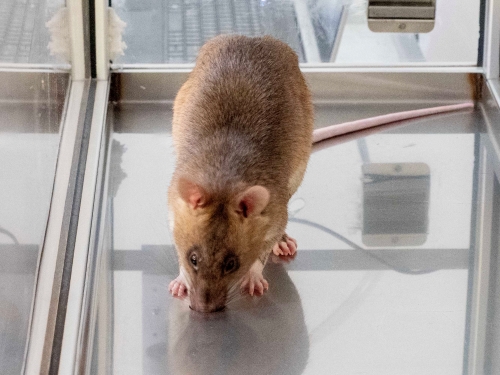
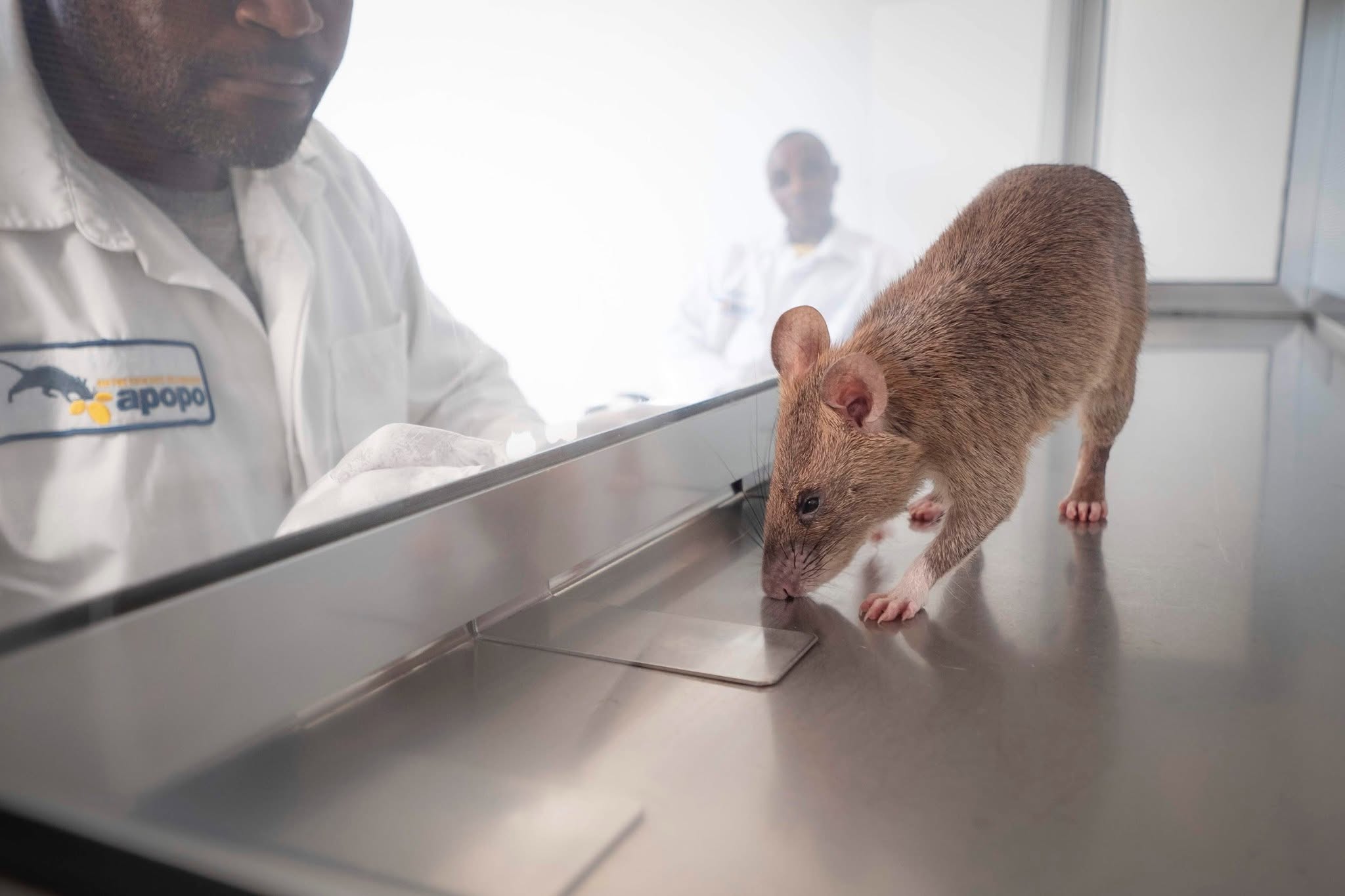
Despite remarkable advances in tuberculosis diagnosis, millions of people with TB continue to go undiagnosed each year. In many high-burden settings, limited laboratory capacity and delayed diagnosis remain significant barriers to timely treatment and disease control. Through its partnership with APOPO, the Mueller Health Foundation supports an innovative approach to tuberculosis detection that combines advanced laboratory methods with the extraordinary scent detection abilities of African giant pouched rats, affectionately known as HeroRats.

Working alongside laboratory technicians, the HeroRats rapidly screen sputum samples that have already tested negative using routine microscopy. Samples identified by the rats as potentially positive are then confirmed using internationally recognized laboratory methods, allowing additional cases of tuberculosis to be detected that might otherwise have been missed. This innovative screening approach helps increase case detection, supports earlier treatment initiation, and complements existing national tuberculosis control programs.

As part of supporting APOPO's diagnostic work, the Mueller Health Foundation sponsors individual HeroRats, including Carolina, who retired after an outstanding career in TB detection, and Tamasha, who continues to support TB detection efforts in East Africa. Through educational storytelling, updates, and public engagement, these sponsorships also help raise awareness of tuberculosis and the innovative approaches being used to combat one of the world's deadliest infectious diseases.

What we learned so far

  • Innovation can strengthen TB detection. Combining trained scent-detection rats with laboratory confirmation provides an efficient complementary screening method that helps identify additional cases of tuberculosis.
  • Earlier diagnosis saves lives. Detecting tuberculosis sooner allows patients to begin treatment earlier, reducing disease progression and limiting transmission within communities.
  • Novel technologies complement, but not replace, existing diagnostics. HeroRats work alongside laboratory professionals, helping prioritize samples for confirmatory testing while strengthening overall diagnostic capacity.
  • Innovation inspires public engagement. The HeroRat program provides an accessible and memorable way to educate the public about tuberculosis while showcasing creative solutions to global health challenges.
  • Partnerships accelerate impact. Collaboration between scientific researchers, laboratory personnel, nonprofit organizations, and donors demonstrates how multidisciplinary approaches can improve TB control.

Project Impact

Through its partnership with APOPO, the Mueller Health Foundation is supporting an innovative, evidence-based approach to improving tuberculosis case detection in high-burden settings while helping increase public awareness of global TB. By sponsoring HeroRats and sharing their stories, the Foundation has highlighted the important role that innovation, collaboration, and creative problem-solving can play in advancing global health. The partnership demonstrates that effective TB control depends not only on scientific discovery but also on practical, scalable solutions that help ensure more people are diagnosed and connected to lifesaving treatment.

Status: Ongoing

Pillar: Community-Based Programs & Education

Meet Our HeroRats

Carolina, APOPO’s retired tuberculosis detection HeroRat
Carolina Retired

Sponsored by the Mueller Health Foundation, Carolina dedicated her career to helping identify people with tuberculosis through APOPO's innovative detection program before retiring in 2024.

Tamasha, APOPO’s active tuberculosis detection HeroRat
Tamasha Active

Tamasha currently continues this important work in East Africa, helping screen thousands of sputum samples while raising awareness of innovative approaches to tuberculosis detection.

Our strategic partnership with REACH India

Primary Partner: REACH (Resource Group for Education and Advocacy for Community Health)

Location: Chennai, India

Partnership Duration: 2021–Present

About the Partnership

The Mueller Health Foundation's partnership with REACH is built on a shared commitment to improving the lives of people affected by tuberculosis through innovative, community-based, and person-centered models of care. Together, we are working to address some of the most pressing challenges facing TB control today, including drug-resistant tuberculosis, the growing burden of tuberculosis-diabetes co-morbidity, stigma, treatment adherence, and long-term recovery.

By combining clinical care with patient education, psychosocial support, caregiver engagement, peer mentorship, nutritional assistance, and rigorous program evaluation, the partnership seeks not only to improve health outcomes for individuals living with TB, but also to generate evidence that can inform tuberculosis programs globally. Through this collaboration, the Mueller Health Foundation supports innovative approaches that strengthen health systems while ensuring care remains centered on the needs of patients and their families.

Today, the partnership encompasses two complementary initiatives:

1. Community-Based Drug-Resistant Tuberculosis Care Program

2. Integrated Tuberculosis-Diabetes Care Initiative

Together, these programs reflect the Mueller Health Foundation's commitment to translating evidence into practice and advancing equitable, compassionate, and people-centered tuberculosis care.

REACH
Ongoing

Community-Based Drug-Resistant Tuberculosis Care Program

Chennai, India • 2021–2028

Integrating treatment with counseling, peer support, nutrition, and long-term follow-up.

Explore project and learnings

Grant Duration: 2021–2028

What the project is focused on

Drug-resistant tuberculosis (DR-TB) remains one of the greatest challenges in global tuberculosis control. Treatment is lengthy, physically demanding, and often accompanied by severe side effects, creating significant medical, psychological, and financial burdens for patients and their families. While effective medicines are available, many individuals struggle to complete treatment because they lack the comprehensive support needed to overcome these challenges.

Through its partnership with REACH, the Mueller Health Foundation supports a comprehensive community-based model of care designed to improve treatment adherence, reduce loss to follow-up, and enhance quality of life throughout the treatment journey. The program provides individualized counseling, peer support, nutritional assistance, transportation support, side-effect management, caregiver engagement, psychosocial services, and close coordination with public health facilities. Beyond treatment completion, the initiative is also evaluating long-term health outcomes, functional recovery, adverse effects, and patient experiences to better understand life after DR-TB treatment and identify opportunities to strengthen future models of care.

What we learned so far

  • People-centered care improves treatment outcomes. Addressing the medical, emotional, and social needs of patients helps individuals remain engaged throughout lengthy treatment.
  • Psychosocial support is essential. Counseling, peer mentorship, and caregiver involvement reduce isolation while improving adherence and emotional well-being.
  • Removing practical barriers improves access to care. Nutritional assistance, transportation support, and coordinated services help patients continue treatment despite financial hardship.
  • Recovery extends beyond treatment completion. Many individuals continue to experience long-term physical limitations and treatment-related side effects, highlighting the importance of post-treatment follow-up.
  • Community partnerships strengthen health systems. Close collaboration between community organizations and public health providers improves continuity of care and patient-centered service delivery.
  • Listening to patients improves future care. Understanding patient experiences provides valuable insights for designing more responsive and effective TB programs.

Project Impact

This collaboration is demonstrating the value of integrating medical care with psychosocial support and community-based services for people living with drug-resistant tuberculosis. By addressing barriers that extend beyond the disease itself, the program is improving treatment adherence, supporting long-term recovery, and generating important evidence to inform future models of person-centered DR-TB care both in India and globally. As antimicrobial resistance continues to threaten global health, people-centered models that improve treatment adherence and reduce treatment failure will become increasingly important across a wide range of infectious diseases. This program provides valuable evidence for strengthening community-based models that may also inform approaches to managing antimicrobial-resistant infections more broadly.

Status: Ongoing

Pillar: Community-Based Programs and Person-centered Care

REACH
Ongoing

Integrated Tuberculosis-Diabetes Care Initiative

Chennai, India • 2024–2028

Bringing TB and diabetes care together through coordinated, person-centered services.

Explore project and learnings

Grant Duration: 2024–2028

What the project is focused on

Tuberculosis and diabetes mellitus (DM) are increasingly recognized as interconnected global health challenges. People living with diabetes are significantly more likely to develop active tuberculosis and often experience delayed recovery, higher rates of treatment failure, relapse, and mortality. Despite this close relationship, TB and diabetes care have historically been delivered separately.

Through this partnership with REACH, the Mueller Health Foundation is supporting an innovative model of integrated TB-diabetes care that brings these services together to improve patient outcomes. The program combines routine diabetes screening and monitoring, individualized counseling, nutrition and lifestyle education, caregiver engagement, peer support, and coordinated clinical follow-up throughout TB treatment. In addition to delivering comprehensive care, the initiative is evaluating changes in glycemic control over time to better understand how improved diabetes management influences tuberculosis treatment outcomes.

What we learned so far

  • Integrated care improves patient outcomes. Coordinating TB and diabetes services reduces fragmentation and strengthens continuity of care.
  • Better diabetes management supports TB recovery. Early findings suggest that improving glycemic control may contribute to improved tuberculosis treatment outcomes.
  • Education empowers patients and caregivers. Lifestyle counseling and disease education promote long-term self-management of both conditions.
  • Peer support strengthens engagement. Patients benefit from shared experiences, encouragement, and practical guidance throughout treatment.
  • Routine monitoring enables earlier intervention. Regular blood glucose assessments allow healthcare providers to identify challenges quickly and tailor treatment accordingly.
  • Integrated models may be scalable. Bringing TB and diabetes care together offers a practical framework that could be adapted in other high-burden settings.

Project Impact

This collaboration is demonstrating how integrated, people-centered care can improve both tuberculosis treatment and diabetes management. By combining medical care with education, peer support, caregiver engagement, and ongoing monitoring, the program is generating valuable evidence on how comprehensive care models can improve outcomes for people living with both diseases. The lessons learned have the potential to inform integrated TB-diabetes care far beyond the communities currently served. More broadly, the growing intersection between infectious diseases and noncommunicable diseases is reshaping global health. This integrated model demonstrates how coordinated, multidisciplinary care can improve outcomes for people with complex health needs while strengthening health systems more broadly.

Status: Ongoing

Pillar: Community-Based Programs and Person-centered Care

Our Grantmaking Process

At the Mueller Health Foundation, we believe that meaningful progress is achieved through strong partnerships. We identify grant opportunities by engaging with researchers, nonprofit organizations, healthcare providers, academic institutions, and public health leaders whose work aligns with our mission to advance tuberculosis research, person-centered care, education, and innovation.

We proactively identify funding opportunities through our global network and currently do not accept unsolicited grant proposals.

Successful grants closely align with the Mueller Health Foundation's mission and strategic priorities while demonstrating the potential to improve health outcomes, generate new knowledge, and create lasting impact.

Our Grantmaking Principles

Successful grants closely align with the mission and values of the Mueller Health Foundation and demonstrate the following characteristics:

Innovative

We support bold, evidence-informed ideas that have the potential to advance scientific discovery, strengthen person-centered care, improve health systems, or transform the prevention, diagnosis, treatment, and management of tuberculosis.

Evidence-Driven

We believe that meaningful impact should be measurable. We work collaboratively with our partners to develop robust monitoring, evaluation, and learning frameworks that generate high-quality evidence, demonstrate outcomes, and inform future innovation.

Collaborative

We value partnerships built on transparency, mutual respect, and shared learning. We believe the greatest impact is achieved by bringing together researchers, healthcare providers, nonprofit organizations, communities, and public health leaders to exchange ideas, share lessons learned, and collectively advance the field.

People-Centered

We support initiatives that recognize the whole person, not just the disease. We prioritize projects that address the social determinants of health, reduce barriers to care, improve health equity, and place patients, families, and communities at the center of program design and implementation.

Sustainable

We seek investments that create lasting change. Successful projects demonstrate the potential for long-term impact, scalability, sustainability, and the ability to generate knowledge that benefits communities well beyond the initial grant period.

Our Grantmaking Process

We work closely with prospective grantees throughout the grant development process to ensure projects are strategically aligned, evidence-based, and positioned for meaningful impact.

01

Concept Note

Prospective grantees are invited to submit a concise concept note (typically no more than two pages) that provides a high-level overview of the proposed project, its objectives, anticipated impact, estimated funding request (in U.S. dollars), and preliminary outcomes or performance indicators.

Our program team works collaboratively with prospective partners to refine the concept before it is presented to the Executive Team for initial review.

02

Proposal Assessment and Due Diligence

Organizations invited to advance to the second stage are asked to submit a full project proposal and detailed budget.

During this phase, the Mueller Health Foundation conducts a comprehensive review that may include:

  • Programmatic assessment
  • Financial and legal due diligence
  • Organizational capacity review
  • Risk assessment
  • Development of a monitoring, evaluation, and learning framework
  • Review of anticipated outcomes, impact, and sustainability

Our team works closely with prospective grantees throughout this process to strengthen project design, establish meaningful indicators, and ensure a clear framework for measuring success.

Following completion of the review process, the full proposal is presented to the Executive Team for funding consideration.

The estimated timeframe from successful submission of a concept note to a funding decision is approximately 12 weeks.

Partner With Us

The Mueller Health Foundation values long-term partnerships built on scientific excellence, collaboration, innovation, and a shared commitment to improving the lives of people affected by tuberculosis.

If you would like to learn more about our grantmaking process, please contact us at:

Contact Our Team →
info@muellerhealthfoundation.org

Every life matters.

The Mueller Health Foundation supports innovation, collaboration, and person-centered solutions to improve the lives of people affected by infectious diseases.