

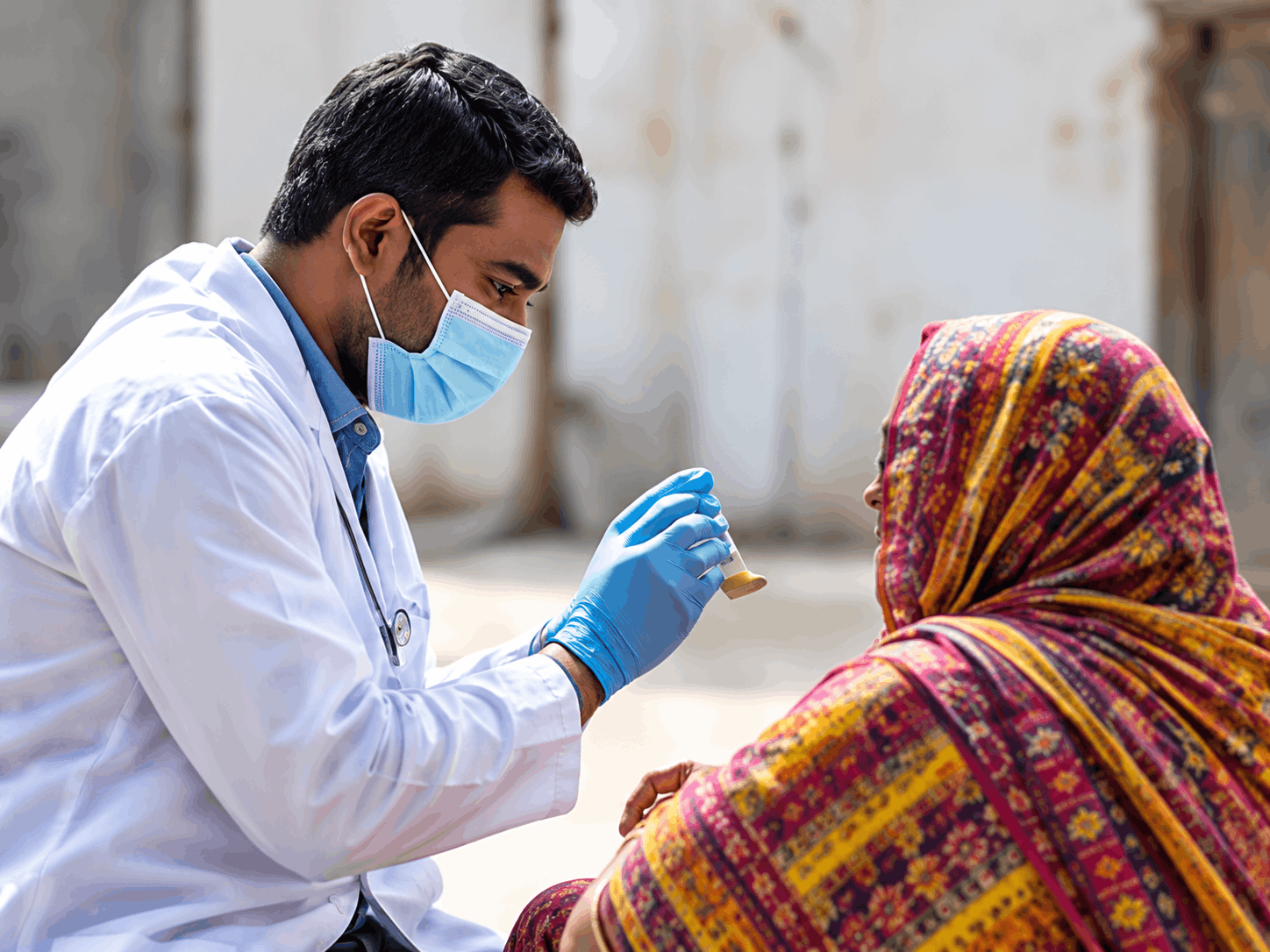
For millions of people worldwide, tuberculosis is only one part of a much larger health journey. Diabetes mellitus has emerged as one of the most significant risk factors for developing active tuberculosis, while also making treatment more difficult. Individuals living with both diseases are more likely to experience delayed recovery, treatment failure, relapse, and death.
Yet historically, tuberculosis and diabetes have been managed separately, requiring patients to navigate multiple healthcare systems while facing many of the same social and economic challenges that contribute to poor health outcomes.
Recognizing the need for a different approach, the Mueller Health Foundation is partnering with REACH in Chennai, India, to develop an innovative model of integrated TB-diabetes care that places people, not diseases, at the center of treatment.
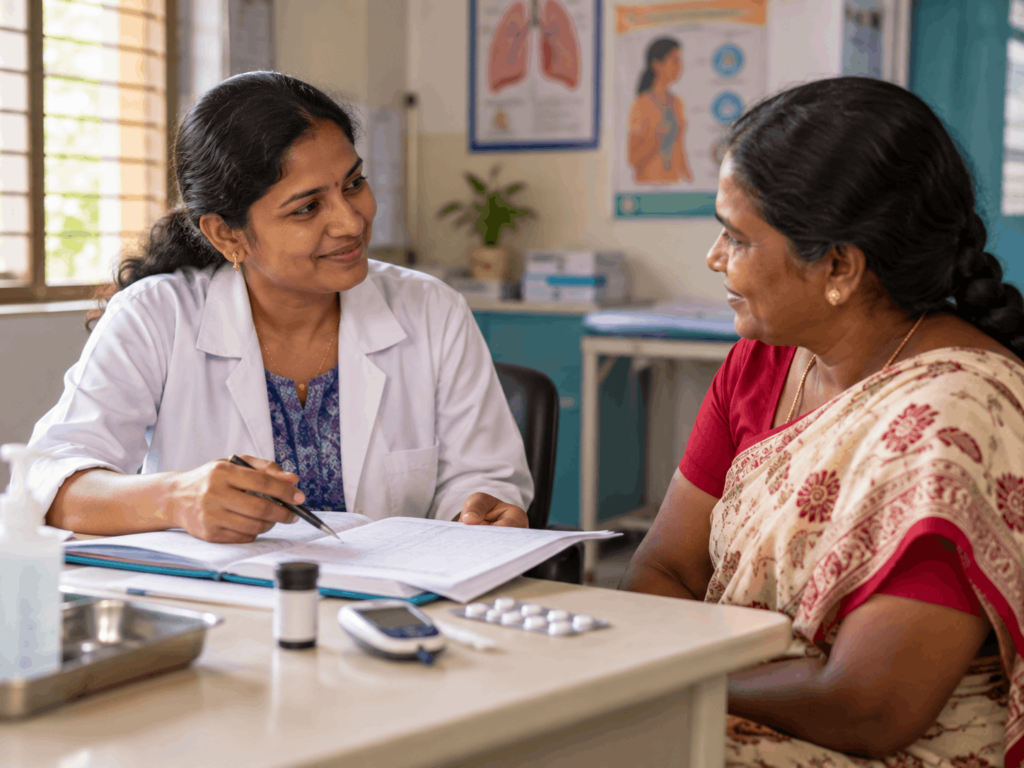
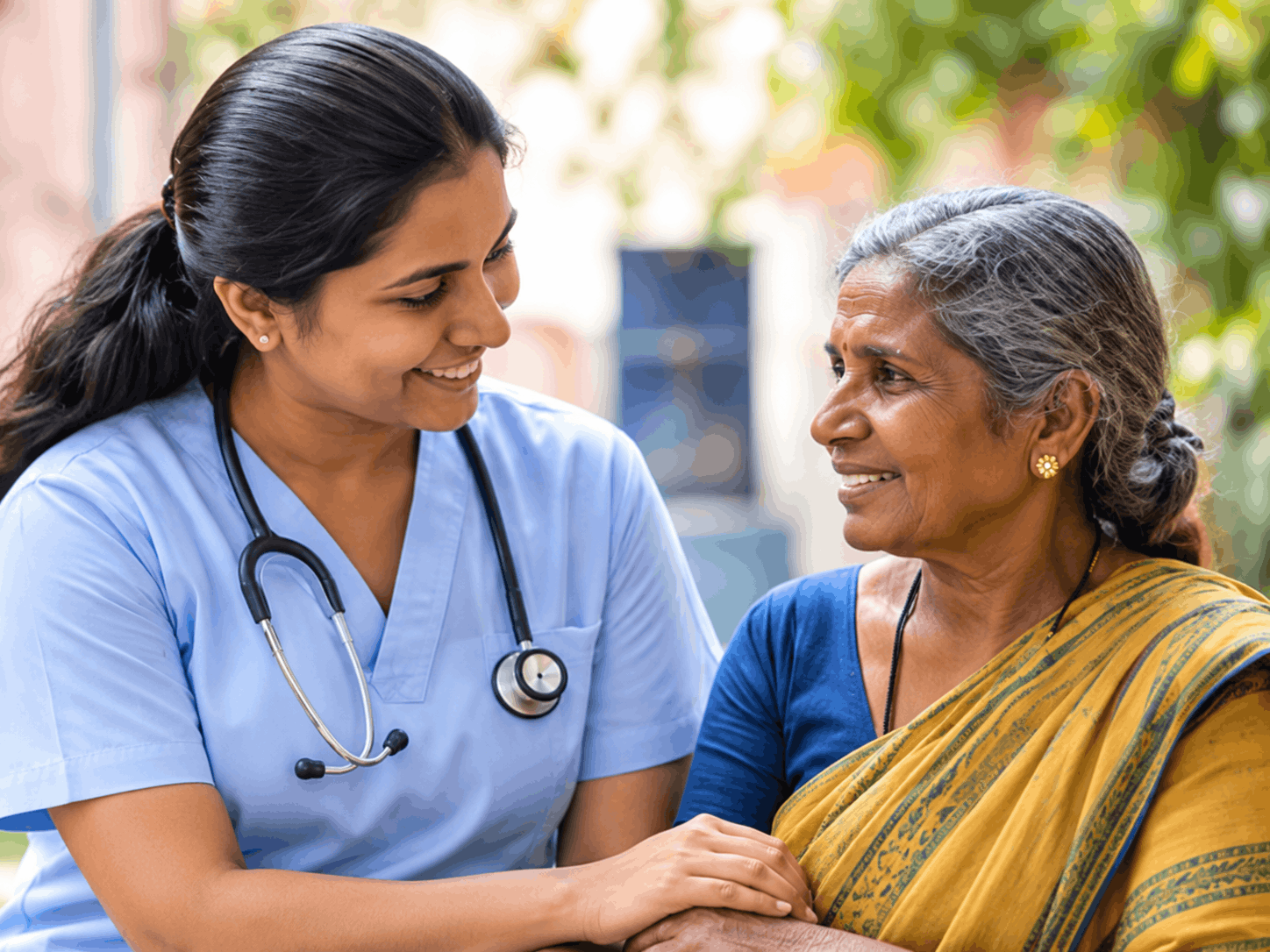
The program combines routine diabetes screening and monitoring with individualized education, nutrition counseling, healthy lifestyle coaching, caregiver engagement, peer support, and coordinated clinical follow-up throughout tuberculosis treatment. By integrating these services into routine TB care, the program helps patients better manage both conditions while reducing barriers that often prevent successful treatment.
Importantly, the program recognizes that health is shaped by more than medical care alone. Food security, health literacy, family support, chronic disease management, and access to ongoing care all influence whether someone is able to successfully complete treatment and recover. By addressing these social determinants of health alongside clinical care, the partnership is helping create a more comprehensive and compassionate model of tuberculosis care.