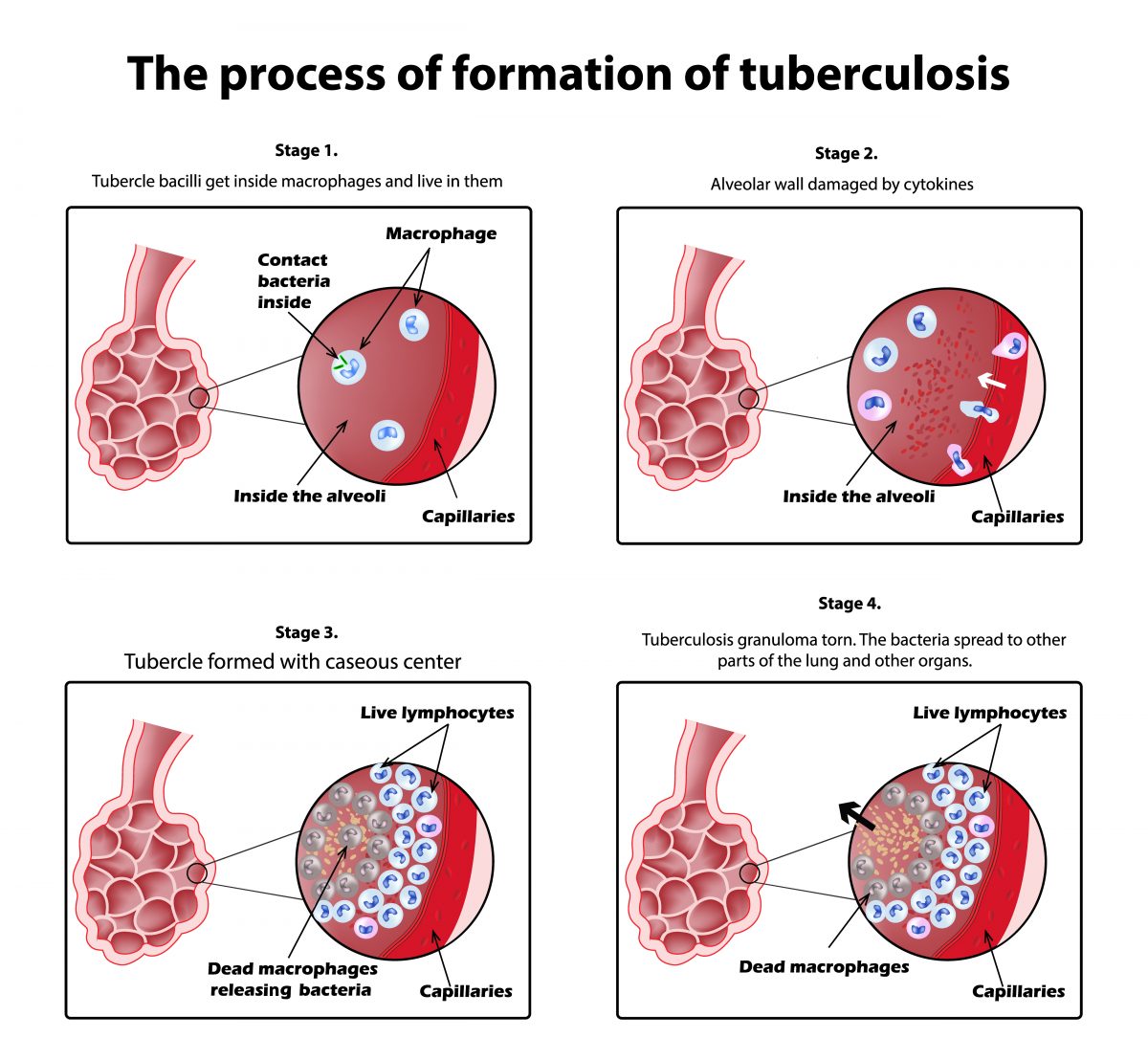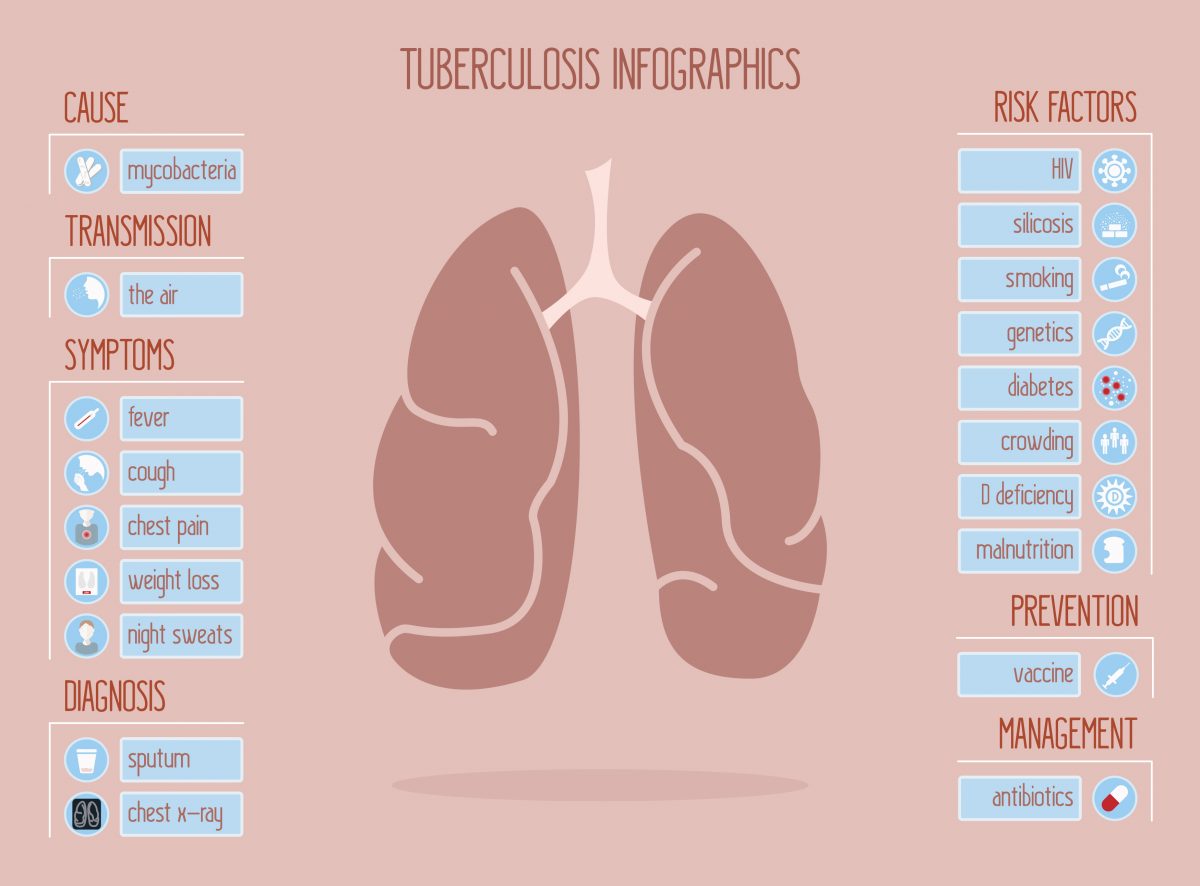








HIV and TB Co-Infection Infographic

Learn more about important facts related to HIV and TB Co-Infection

HIV and TB Co-Infection Infographic

OVERVIEW

HIV AND TB CO-INFECTION

WHAT IS HIV/TB CO-INFECTION?

Tuberculosis and HIV co-infection occurs when a person has HIV infection in addition to either latent or active TB disease. Unfortunately, when a person is afflicted with both infections, each disease tends to speed up the progress of the other. Specifically, this means that in addition to the HIV infection speeding up the progression from latent to active TB, the TB bacteria also accelerate the progress of HIV infection.

HOW DO YOU GET INFECTED?

HIV infections and infections with TB bacteria are two completely different infections. If a person has HIV infection he or she will not get infected with TB bacteria unless there is close contact with someone with active TB, because TB bacteria is spread through small droplets in the air from activities such as talking, coughing, and singing. Similarly if a person has TB, he or she will not get infected with HIV unless he or she carries out an activities, such as sharing drug paraphernalia or having unsafe sex owith someone who already has HIV infection.

HOW DO THESE TWO DISEASES INTERACT?

When people have a damaged immune system, such as people with HIV who are not receiving antiretrovirals (ARVs), the natural history of TB is significantly altered. While there is often a long latency phase between infection and development of the TB disease that can last years to decades, people with HIV can become ill with active TB disease within weeks to months. It is estimated that the risk of progressing from latent to active TB is between 12 and 20 times greater in people living with HIV than among those who are HIV negative.

WHAT ARE THE SYMPTOMS?

HIV positive people with pulmonary TB may have the classic symptoms of TB, which may include fever, loss of appetite, prolonged coughing and coughing up blood, However, HIV positive people may exhibit fewer or less specific symptoms of TB and up to a fifth of those patients may even have normal chest X-rays. This can be attributed to the fact that people living with HIV are more likely to have extrapulmonary TB and this trend appears to be common in countries with a high HIV prevalence, such as South Africa

IS THERE TREATMENT AVAILABLE?

For adults with HIV/TB co-infection, the patients need to receive both antiretrovirals (ARVs) and TB drugs and the WHO guidelines recommend starting ARVs within the first 8 weeks of starting TB treatment. It is no longer considered necessary to delay the initiation of ARV therapy until TB treatment has been completed. However, the provision of HIV ARV therapy and anti TB drug treatment at the same time involves a number of potential difficulties including: cumulative drug toxicities,
drug – drug interactions, a high pill burden, and the Immune Reconstitution Inflammatory Syndrome (IRIS).

KEY FIGURES

HIV AND TB CO-INFECTION

WHAT IS THE GLOBAL MORTALITY?

Tuberculosis is the leading cause of death among people living with HIV. In 2019, the mortality estimates were as follows:

WHAT ABOUT MORTALITY BY GENDER?

Globally, the mortality for co-infected patients is higher for men than for women in 2019.

97,000 Deaths
Annually for
Men ≥15 Years

76,000 Deaths
Annually for
Women ≥15 Years
19,000 Deaths
Annually for
Boys <14 Years

17,000 Deaths
Annually for
Girls <14 Years

HOW DOES MORTALITY VARY ACROSS REGIONS?

The following illustration summarizes the number of deaths across the WHO regions in 2019.

Africa: 169,000
South East Asia: 20,000
Western Pacific: 6,300
The Americas: 5,900
Europe: 4,200
Eastern Mediterranean: 2,700

HOW EFFECTIVE IS TREATMENT?

Treatment outcome data in 2019 is approximately as follows:

85%

Treatment
Success Rate for
TB Alone

75%

Treatment Success
Rate for
Associated TB

VISIT US AT WWW.MUELLERHEALTHFOUNDATION.ORG AND
FOLLOW US ON TWITTER @MUELLERHEALTH

Source: TB Facts at https://tbfacts.org/tb-hiv/ and
WHO Global TB Report 2020 at https://www.who.int/publications/i/item/9789240013131

Debunking TB Myths

Learn more about the 15 most common myths related to tuberculosis.

Debunking Tuberculosis Myths

SEPARATING FACT FROM FICTION

Myth #1: TB is a disease of the past and no longer a public health concern.
FACT #1
Tuberculosis has been around for thousands of years and unfortunately still remains as one of the top 10 deadliest diseases in the world today. The CDC estimates that at least 1.7 billion people were infected with TB in 2018, which translates to roughly 23% of the world’s population. The WHO estimates that in 2020, at least 1.8 million people died due to tuberculosis. Particularly the impacts of the global COVID-19 pandemic have set back progress made in treating TB by 12 years and an increase in travel and immigration around the world due to globalization has led to an increase in active and latent TB cases.
Sources:
CDC Report.
https://www.cdc.gov/globalhealth/newsroom/topics/tb/index.html
WHO Global TB Report 2020.
https://www.who.int/publications/i/item/9789240013131 STOP TB Partnership 2021 Report. http://www.stoptb.org/news/stories/2021/ns21_011.html
Myth #2: Tuberculosis has not changed.
FACT #2
The face of tuberculosis continues to change due to increased emergence of partially resistant (MDR) and completely resistant (XDR) strains of tuberculosis. These new strains add an additional layer of complexity in managing the disease since traditional treatment options are less effective and there is no treatment option for completely resistant strains. Every year, the number of MDR and XDR cases continues to increase. For example, in 2019, MDR cases are estimated to account for 27% of TB cases India, 14% of TB cases in China, and 8% of TB cases in the the Russian Federation, although the actual numbers are likely much higher due to underreporting. Globally, in 2019, there were an estimated 182,000 deaths from MDR TB, which translates to approximately 13% of all TB related deaths.
Source:
TB Facts.
https://tbfacts.org/drug-resistant-tb/
Myth #3: TB only affects people in low-income countries and the poor.
FACT #3
TB can affect individuals anywhere in the world, regardless of geographic or socio-economic status. However, there are certain regions where TB is more prevalent. According to the WHO, in 2019, 44% of new TB cases occurred in South East Asia. Additionally, eight countries account for two-thirds of new cases: India, Indonesia, China, the Philippines, Pakistan, Nigeria, Bangladesh, and South Africa. Furthermore, it is likely that these estimates are significantly underreported and the true number of new TB cases around the globe is likely much higher.
However, tuberculosis also still occurs in the developed world. According to the CDC, in the United States in 2020, there were 7,163 cases of TB. Populated cities, like New York City, often face a disease rate of 6.9 per 100,000, which is more than twice the national rate in the US. Based on statistics released by the European CDC (ECDC), in Europe in 2019, there were 47, 504 cases, with 83% of cases occurring in 18 countries, that in order of highest prevalence include Romania, Poland, United Kingdom, France, Germany, and Italy.
Sources:
WHO Global Report 2020.
https://www.who.int/publications/i/item/9789240013131
CDC US 2020 Report
https://www.cdc.gov/mmwr/volumes/70/wr/mm7012a1.htm
NYC Annual TB Report 2020.
https://www1.nyc.gov/assets/doh/downloads/pdf/tb/tb2019.pdf ECDC Report 2021.
https://www.ecdc.europa.eu/sites/default/files/documents/tuberculosis-surveillancemonitoring- Europe-2021.pdf
Myth #4: There is only one type of TB.
FACT #4
There are over 2000 different strains of tuberculosis that can affect different parts of the human body. Pulmonary tuberculosis is the most common form of TB, but there is also extra pulmonary tuberculosis which refers to tuberculosis infection that occurs in another part of the body (other than the lungs) such as a skin, lymph nodes, muscles, brain and bones. Miliary tuberculosis is also known as disseminated tuberculosis which is when several different organs are simultaneously affected. It is estimated that miliary TB accounts for about less than 2% of all cases of TB in immunocompetent persons and up to 20% of all extra pulmonary TB cases.
Source:
Current State of Miliary Tuberculosis.
https://www.ncbi.nlm.nih.gov/pmc/articles/PMC3544391/
Myth #5: TB infection always leads to TB disease.
FACT #5
Three are two types of TB conditions: TB Disease (Active TB) and latent TB Infection (Latent TB). Not everyone who is infected with TB develops TB disease. In most people, the immune system clears the bacteria and stops it from multiplying. Therefore, someone with latent TB can also feel perfectly healthy or show fewer symptoms. However, showing no symptoms does not imply that someone does not have the disease and if a person suspects having been exposed to someone with active TB, only a healthcare provider can administer the proper test and diagnosis. On the other hand, someone with active TB disease will likely exhibit some or all of these symptoms: chest pain; coughing for a long period (more than two weeks); night sweats; feeling tired or weak; loss of appetite; unexpected weight loss; or coughing up blood.
Myth #6: Everyone with TB is infectious.
Fact #6
Someone with TB can only transmit the infection if he or she develops symptoms. This means that someone with a latent Infection is highly unlikely to transmit TB. Also, a person can only transmit TB when the bacteria are in the lungs or throat. If the bacteria are in other parts of the body, such as the kidney or spine, a person is unlikely to transmit the disease. Generally, people with TB stop being infectious around 2–3 weeks after starting treatment.
Myth #7: TB is transmitted from shaking hands.
Fact #7
TB is an airborne disease transmitted through fine respiratory droplets from an infected person. TB is most likely to spread to those with close and prolonged contact with an infected person such as a family member, friend or colleague, particularly when someone with an active infection in their lungs or throat coughs, sneezes, speaks, or sings.
Besides the direct transmission from an infected person to an uninfected person, some research suggests that the TB bacilli can also be transmitted by dust. Once coughed out by a person with TB, the bacilli can survive up to six months outside the body if they are protected from direct sunlight. However, additional research is needed to determine the longevity of the TB bacteria on surfaces.
A rare form of transmission is the ingestion of unpasteurized milk from an infected animal. This way of infection plays a role in rural places, where people drink milk straight from the cow. To avoid this, milk should always be boiled before drinking.
Source:
TB Online Info: How TB is Spread.
https://www.tbonline.info/posts/2016/3/31/how-tb-spread-1/
Myth #8: A person can only have TB once.
Fact #8
People who have been cured can still be infected with TB again in two ways. In one instance, tuberculosis recurrence can result from a relapse of the original infection if the treatment is stopped too early and the patient has not been completely cured. In another instance, a previously cured patient can contract TB again through an exogenous reinfection with a new strain of TB. A study conducted in South Africa in 2005 suggests that patients who had TB once and had been successfully treated are at a strongly increased risk (up to four times as likely) of developing active TB when reinfected.
Sources:
Rate of Reinfection of Tuberculosis compared to New TB.
https://www.atsjournals.org/doi/10.1164/rccm.200409-1200OC?url_ver=Z39.88 2003&rfr_id=ori%3Arid%3Acrossref.org&rfr_dat=cr_pub++0pubmed&
Myth #9: TB is hereditary.
Fact #9
Tuberculosis is not hereditary. Tuberculosis is transmitted from person to person through the air during coughing, sneezing, laughing, singing, shouting, and even talking. Usually traditional TB cannot be transmitted from a pregnant mother to her baby, because it does not cross the placenta. However, some research suggests that a rare exception is miliary TB, in which case the TB bacilli might break through the placenta to the fetus. There is no research or known facts about the transmission of resistant strains of TB during pregnancy. Furthermore, while TB is not hereditary, there is ongoing research into genetic components related to the disease. While there is no gene that would be responsible for causing TB, researchers are currently studying whether some genes might influence whether or not someone will transition from a latent infection to an active infection due to metabolic pathway changes in cells induced by epigenetic reprogramming caused by the TB bacterium.
Myth #10: There is no cure for TB.
Fact #10
Non-resistant forms of TB are treatable. The most common treatment for a latent TB infection is the antibiotic isoniazid. People with TB should take this drug as a single daily pill for 6–9 months. For individuals with an active infection, doctors tend to prescribe a combination of antibacterial medications for 6–12 months. A common combination of first-line drugs include isoniazid, rifampin, pyrazinamide, and ethambutol.
Multidrug-resistant (MDR) TB cases have become resistant to multiple first-line drugs and can only be treated with secondline drugs, such as amikacin, kanamycin, or capreomycin, which are more expensive, have more side-effects, and expose the patient to longer treatment courses with a high pill burden that can last up to 20- 24 months.
Extensively drug-resistant TB (XDR-TB) is a type of multidrugresistant tuberculosis (MDR-TB) that is completely resistant to the first-line drugs isoniazid and rifampin, plus any fluoroquinolone and at least one of three injectable secondline drugs. Unfortunately, the number of XDR cases is continuously rising. There is currently no cure or treatment option available for these case.
Myth #11 The patient can safely stop taking anti-TB medicines after symptoms subside.
Fact #11
The treatment duration for TB is lengthy and often accompanied by severe side-effect. Medicines to treat TB must be taken for a minimum of 6 to 8 months to ensure the patient has been cured. When treatment is not followed or stopped prematurely, either due to not further wanting to endure the side-effects or because the patient sees signs of recovery, there is a high risk of relapse and complications.
Additionally, stopping medication early can also lead to the creation of resistant forms of TB. While multi-drug resistant TB is still treatable using second-line drugs, the treatment plan is much longer, with more severe side effects and higher costs. It is therefore crucial for patients to complete the initial treatment course from beginning to end to ensure full recovery and decrease the likelihood of creating more resistant forms of TB.
Myth #12: People who have been vaccinated with the BCG vaccine cannot get infected with TB and are immune.
Fact #12
The only commonly accepted benefit of the BCG vaccination, which is based on a weakened live strain of cattle TB, is the protection of newborns and young children up to 2 years of age from serious forms of TB.
However, the efficacy of the vaccine significantly drops for young children aged 2-5 years old and after the age of 5, the efficacy of the BCG vaccine drops to that of an adult. Additionally, the benefit of the BCG vaccine in adults is highly controversial and many TB experts dispute any TB protection at all. However, there are current research efforts that are looking to increase the efficacy of the BCG vaccination in adults and the elderly through the addition of adjuvants, that can help to enhance the body’s immune response to an antigen. Ongoing studies on the addition of adjuvants also focus on increasing the effectiveness of the vaccine not only based on factors such as age but geographic location and gender as well.
Source:
Age-related Waning of Immune Response in BCG.
https://www.nature.com/articles/s41598-018-33499-4
Myth #13: TB can be easily detected by administering blood tests.
Fact #13
Establishing the proper diagnosis for TB involves numerous tests. For TB there are nucleic acid detection tests, and antigenbased tests as well as culture-based and smear methods. Blood investigations and radiological investigations, such as chest xrays, are all supplementary tests. The final diagnosis for pulmonary tuberculosis is the sputum test or any secretions from the lung, and for other sites, a tissue examination is required.
Myth #14: People with TB are not stigmatized.
Fact #14
Across the globe, people with TB are often discriminated against and can become socially shunned. To compound the issue, TB is often associated with factors that can themselves create stigma: HIV, poverty, drug and alcohol misuse, homelessness, a history of prison and refugee status.
Fear of discrimination can mean people with TB symptoms delay seeking help, making it much more likely that they will become seriously ill and infect others. This then perpetuates the myth that it is the TB treatment itself that causes deaths, as treatment is much less effective if left until the illness is in its advanced stages. Stigma around TB can also make people reluctant to stick with their course of treatment for fear of being shunned for having TB, which perpetuates the issue of drug-resistant TB.
Myth #15: TB medicine is easily affordable.
Fact #15
The direct cost of treating TB is still relatively high. In 2018 in the United States, the average cost for each patient to complete a treatment regiment for TB was as follows:
    • The cost of treating drug sensitive TB was $49,000.
    • The treatment costs for multi drug resistant (MDR) TB averaged $393,000.
    • The treatment costs for extensively drug resistant (XDR) TB averaged $758,000.
These costs, particularly for treating MDR and XDR cases, simply remain too high to be scaleable, particularly since the most TB-afflicted countries are already resource strapped and lack strong and appropriately funded health care systems. One way to reduce costs is to invest in the development of novel, more effective, better tolerable, and more affordable treatment regimens that allow for a significant reduction of treatment duration.
However, to meaningfully address TB, there must be a holistic approach that not only focuses on lowering cost of treatment but also addresses other real barriers to TB care, such as the limited availability of diagnostics, a lack of centralized models of care and inefficient regulatory approval systems.
Source:
The Costly Burden of Drug-Resistant TB Disease in the U.S., 2018.
https://www.cdc.gov/tb/topic/drtb/default.htm

TUBERCULOSIS VERSUS COVID-19

Learn more about the similarities and differences between tuberculosis and Covid-19.
TUBERCULOSIS

V E R S U S

COVID-19


COMPARING 2 TYPES OF PANDEMIC

INFECTIOUS DISEASES AND LESSONS LEARNED


Tuberculosis

Covid-19

Type

Mycobacterium Tuberculosis Bacterium
Severe Acute Respiratory
Syndrome Coronavirus 2
(SARS-CoV-2)

Epidemiology

Significant burden:
1.8 Billion infected globally.
Approximately 10 Million
new cases and 1.5 Million
deaths annually.
Significant burden:
18.2 Million cases and
692,000 deaths globally as
of August 4th, 2020 and
rising.

Transmission

Droplet transmission of
M.tuberculosis bacterium.
Transmission occurring from
asymptomatic individuals may
be less for TB than Covid-19.
Droplet transmission of
SARS-CoV-2.
May also be transmitted via
surface contamination,
possibly the fecal-oral
route, and there may be
some aerosol transmission.

Symptoms

Coughing with mucus or blood
Coughing that lasts more than 2 months
Chest pain
Loss of appetite
Weight loss
Chills, fever, or night sweats
Fatigue
Fever or chills
Cough, shortness of breath or difficulty breathing
Fatigue and headache
Muscle or body aches
New loss of taste or smell
Sore throat, congestion, or runny nose
Nausea, vomiting, or diarrhea

Tuberculosis

Covid-19

Treatment

TB has established curative treatment
regimens that include the administration of
first line drugs such as
Rifampicin and Izoniazid and others.
Drug regiments can be completed at home
with regular visits to the hospital.
Approximately 5% experience severe symptoms necessitating intensive care and invasive mechanical ventilation and ~20% are hospitalized.
Trials are currently on-going and only limited treatments are currently available, including the administration of Remdesivir and Dexamethosone in severe cases.

Limitations of Current
Treatment

Rise of resistant strains to multiple drugs
(MDR) and completely resistant strains (XDR).
Significant negative side effects of medication leading to higher rates of non-compliance or early termination of the treatment plan.
Treatment durations are lengthy and
can last from 6 months to 2 years.
Trials are currently on-going.
There are some compassionate use treatement options available to temporarily treat symptoms,
however, no direct antiviral treatment is available.
Treatment duration is currently unknown due to the lack of available treatment plans.

Comorbidities Increasing
Vulnerability

Cancer
Chronic Lung Diseases
Smoking
Alcohol Use Disorders
Depression
HIV
Immunocompromised State
Type 2 Diabetes Mellitus
Cancer
Chronic Kidney Disease
Chronic Lung Diseases
Obesity
Heart Conditions
Sickle Cell Disease
Immunocompromised State
Type 2 Diabetes Mellitus

Infection Control and Containment

Patients wear masks while infectious.
Patient triage based on respiratory symptoms.
Adequate ventilation and airflow in waiting, consultation, and inpatient areas.
Use of PPE by medical staff, particularly masks.
Social and Behavioral Change Communication (SBCC) on cough etiquette.
Contact investigation.
In the US, TB cases must be reported to state authorities.
Identification of hotspots.
Risk communication and countering misinformation.
Rapid patient isolation and quarantine, and
quarantine of contacts.
Social distancing and recommendation to wear masks.
In addition to infection control measures similar to TB, additional measures such as frequent disinfection of surfaces must be implemented.
PPE and maintaining physical distance are even more critical given asymptomatic spread.
Contact tracing and investigation at the onset is crucial, before community transmission is entrenched.
In the US, COVID-19 must be reported to state and local health authorities.
Lockdowns, curfews, closing businesses.
Risk communication and countering misinformation.

Tuberculosis

Covid-19

Vaccination

Bacille Calmette-Guérin (BCG) vaccine is available for newborns and infants.
Effectiveness of BCG vaccine is significantly
lower for adults and elderly populations.
Trials are currently on-going.
Effectivenness of potential vaccine candidates is currently unknown.
Lack of data regarding the effectivenss
of potential vaccines in elderly or immunocompromised populations.

Opportunities and
Lessons Learned

Infectious diseases, whether viral or bacterial, are a global issue, which deserves to receive increased attention and awareness. Both tuberculosis and COVID-19 are considered pandemics and there are numerous learnings from each that can help to lead to improved mitigation measures and management of current and future outbreaks. The Mueller Health Foundation (MHF) along with its partners is currently focusing on the following areas of improvement in a harmonized and strategic way to first tackle tuberculosis and then other infectious diseases in the future:
1) To ensure improved effectiveness of vaccinations, MHF is exploring precision vaccine approaches for all types of patients taking into account age, sex, geographic location, and comorbidities.
2) MHF is exploring the use of immune-boosting agents, such as adjuvants, to improve prevention and treatment options for immunocompromised populations.
3) MHF is working on finding novel treatment options through the use of an AI-driven platform called TBMeld, to find new drug compounds and combinations that shorten the duration of treatment, reduce side effects, and improve effectiveness.
4) Through the TB Connect blockchain initiative (currently being created) MHF is working to improve information sharing, reporting, and data analytics.
5) MHF is an advocate for improved contact tracing and for ensuring consistent messaging on the local, state, and federal level. MHF is working on creating educational films on the prevention and treatment options currently available.
6) MHF fosters global collaboration and public-private partnerships. In conclusion, tackling infectious diseases has to be a concerted effort and needs to be at the forefront of public policy. Learnings from one infectious diseases can be applied to the treatment, prevention, and management of other infectious diseases to solve global pandemics now and in the future.

Data Sources: USAID, CDC, and WHO.

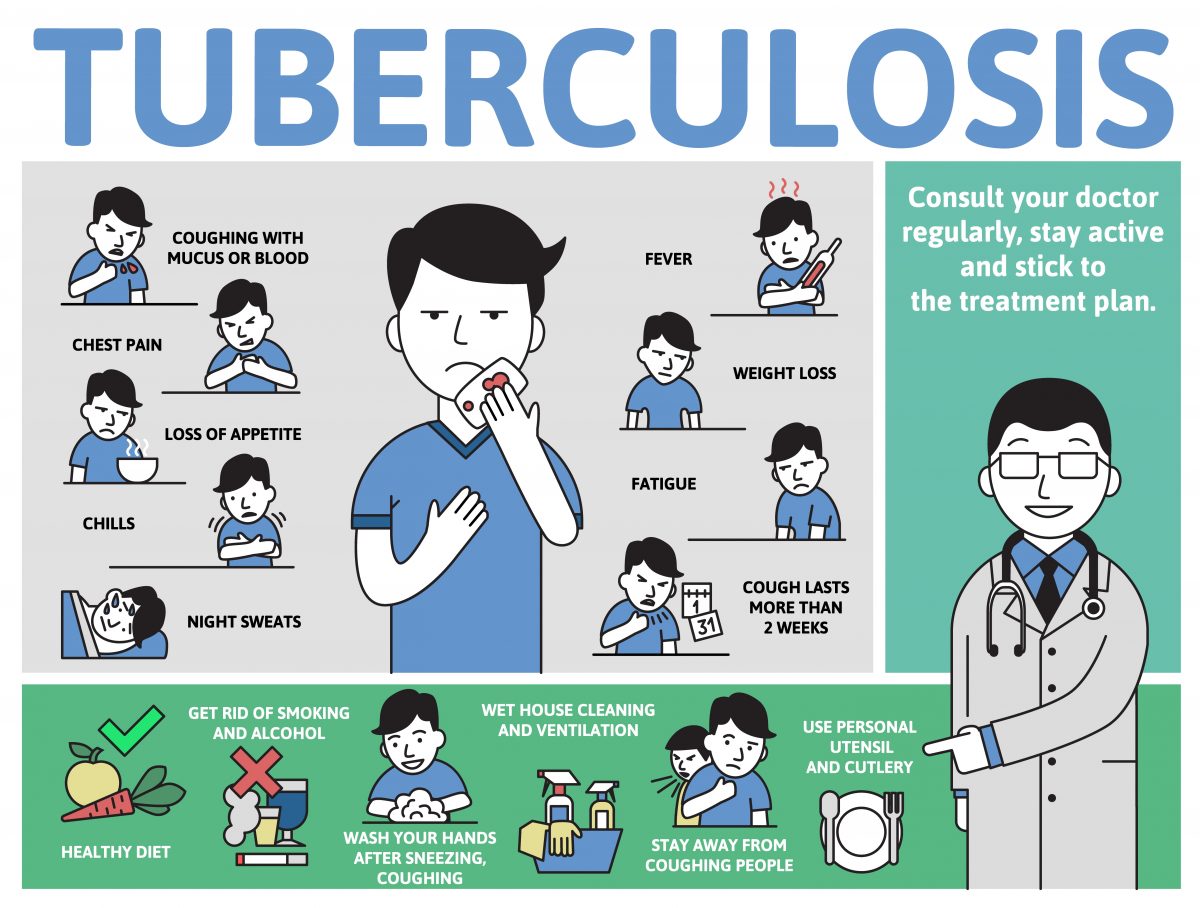
TB Symptoms

The infographic provides an overview of common symptoms associated with active tuberculosis. If you have any concerns or questions about your health, you should always consult with a physician or other health-care professional.